Table of Contents
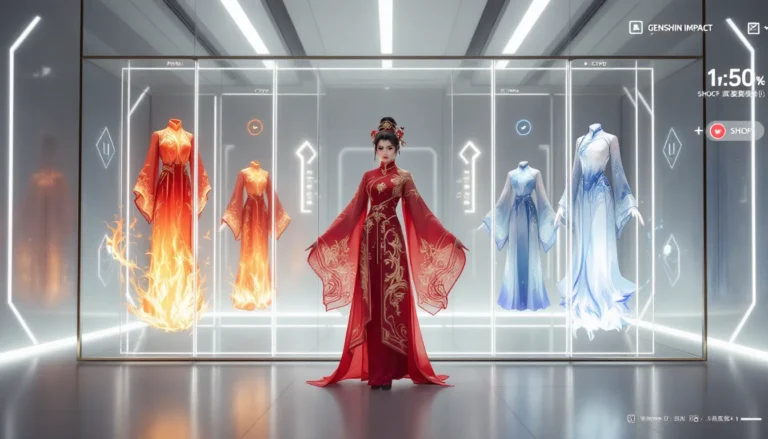
ToggleGenshin Impact outfits are more than just cosmetic fluff, they’re a way to make your favorite characters truly yours. Whether you’re hunting for that perfect skin or trying to understand the full landscape of available character cosmetics, the outfit ecosystem has exploded since launch. With the game now featuring dozens of alternative outfits across its roster, knowing which Genshin Impact outfits are worth your time and resources is essential. This guide breaks down everything from how to obtain skins to which ones deliver the most visual impact for your Primogems.
Key Takeaways
- Genshin Impact outfits are purely cosmetic skins that enhance character appearance without altering gameplay mechanics or stats.
- Four primary acquisition routes exist: premium store purchases (1,680 Genesis Crystals), Battle Pass rewards, event-exclusive skins, and free cosmetics from login rewards and festivals.
- Element-specific aesthetics define outfit designs—Pyro favors bold action-oriented styles, Cryo emphasizes elegant designs, while Hydro showcases flowing aquatic themes.
- Limited-time event outfits create artificial scarcity and become highly sought-after, while fan-favorite designs like Barbara’s summer skin and Hu Tao’s dancer outfit achieve cult status through exceptional quality.
- Prioritize outfit purchases for characters in your active rotation to maximize visual enjoyment, and plan around seasonal event cycles and character rerun patterns to catch rereleases.
- Outfit release frequency has accelerated from one skin per patch in 2024 to more frequent cosmetics in 2025-2026, indicating HoYoverse’s expanded investment in character skin development.
What Are Genshin Impact Outfits and Why They Matter
Genshin Impact outfits are alternative character skins that change a character’s appearance without altering their mechanics or gameplay. These aren’t stat boosts, they’re pure cosmetics. Barbara’s summer skin still heals the same way, and Ayaka’s casual outfit performs identical cryo damage to her default look.
But here’s why they matter: Teyvat is a visual-first experience. You’ll stare at your main DPS character’s model for hundreds of hours. An outfit can refresh that experience and make your team feel fresh during grinding marathons. Beyond personal preference, outfits also function as character expression, a way to signal your taste in design and commitment to specific characters in a game where roster depth is everything.
Since launch, HoYoverse has released outfits across every element and role. Some are tied to limited banners, others rotate through the store, and a few are earned through gameplay. The outfit meta isn’t about power, it’s about availability, design quality, and whether the skin justifies its cost.
How to Obtain Outfits in Genshin Impact
There are four primary routes to acquiring Genshin Impact outfits, each with different availability windows and acquisition methods. Understanding these routes helps you plan purchases and decide which skins fit your budget and timeline.
Premium Store Purchases
The most straightforward method: buying outfits directly from the in-game store using Genesis Crystals. These are the real-money skins, typically priced at 1,680 Genesis Crystals ($10 USD equivalent, though prices vary by region). This is HoYoverse’s primary revenue model for cosmetics. Skins remain available for around two weeks after release, then rotate out. Some return seasonally or during character reruns, but availability is unpredictable. If you want a specific outfit the moment it drops, you need crystals ready.
The premium store is where limited character skins typically land first. If a skin has lore significance or ties to a character’s story, it often debuts here. Popular examples include Barbara’s summer skin and Hu Tao’s dancer outfit, both were premium releases that commanded attention when they dropped.
Battle Pass Rewards
The Genshin Impact Battle Pass (both free and premium tiers) occasionally rewards outfit components or full skins. But, Battle Pass outfits are rare. The premium pass does offer cosmetic currency and weapon blueprints more consistently than actual skins. When a Battle Pass outfit does appear, like Fischl’s maid skin from a past season, it becomes instantly accessible to anyone at pass tier 30+.
This route offers the best value per Primogem since you’re getting additional rewards alongside the outfit. The catch? Battle Pass skins rotate seasonally and don’t reappear frequently.
Event-Exclusive Skins
Limited-time events sometimes bundle outfits as login rewards or event quest clear bonuses. These are the rarest and most coveted skins because they don’t return. If you missed Mika’s outfit during his debut event, you can’t get it through normal channels now. Event-exclusive skins are HoYoverse’s way of rewarding players who engage with seasonal content. They’re often tied to story quests or special event mechanics, creating a sense of urgency.
Planning ahead for event seasons is critical if you want these skins. Once an event ends, your window closes permanently.
Free Outfit Options
Don’t underestimate the free cosmetics. Log-in rewards, Lantern Rite, and other major festivals sometimes gift outfits directly. The Traveler gets free alternate outfits through story progression. Amber’s outrider skin was gifted to all players during early promotional periods. These are typically simpler designs than paid skins, but they’re genuine alternatives if premium options don’t appeal to you.
Free outfits are also excellent if you’re testing a character’s visual appeal before committing Crystals. You get a sense of how the character looks in a different outfit without spending.
Best Outfits by Element and Role
Different elements attract different outfit aesthetics. Pyro tends toward warm, action-oriented designs, while Cryo gravitates toward elegant, icy silhouettes. Here’s what each element’s outfit lineup looks like.
Pyro Characters
Hu Tao’s dancer outfit remains one of the most visually striking skins in the game. The sleek black-and-red color scheme complements her kit perfectly, she’s already stylish, and this outfit amplifies that. Bennett’s beach outfit offers casual appeal without gimmicks. For Pyro DPS mains, these outfits deliver high design value.
Pyro’s outfit catalogue leans toward bold, confident aesthetics. Amber’s various skins maintain her adventurer energy while adding flourish. If you main Pyro, you’re not starved for options, but availability windows matter, some Pyro outfits haven’t reappeared in years.
Cryo Characters
Shenhe’s demon slayer outfit is arguably the best Cryo skin released to date. The sharp design and dark color palette make her one of the most immediately recognizable characters in the game. Ayaka’s casual outfit softens her usual regal presence, offering a refreshing contrast.
Creo characters gravitate toward elegant, ethereal designs. Ganyu’s outfit choices maintain her celestial imagery while adding modern flair. Mika’s scout outfit ties into his adventurer role. For a game obsessed with anime aesthetics, Cryo’s outfit lineup delivers consistently high-quality designs.
Electro Characters
Fischl’s maid outfit from the Battle Pass is iconic and highly sought-after for its charm and fit to her character. Raiden Shogun’s beach outfit offers a rare moment of casual vulnerability from the Archon. Ei’s design is so strong that even alternative skins struggle to match her base appearance.
Electro outfits often play with duality, contrasting Fischl’s gothic investigator energy with playful designs. If you want visual drama, Electro delivers. The challenge: some Electro skins are years old and rare drops now.
Hydro Characters
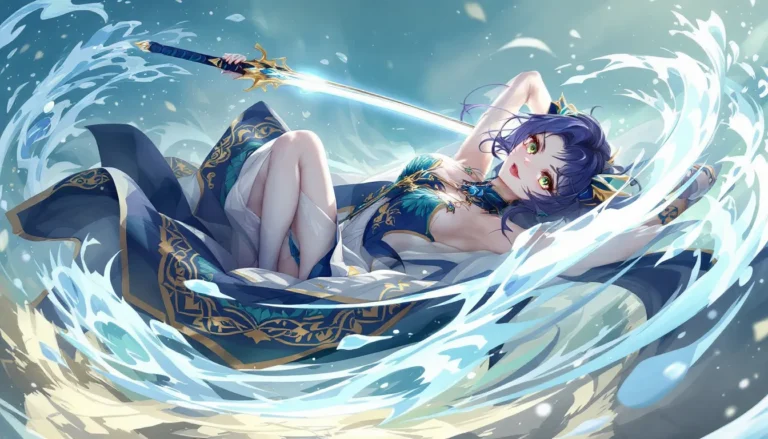
Barbara’s summer outfit started the whole seasonal outfit trend and remains one of the most popular skins ever released. Mona’s astrology-themed skin is visually intricate. Kokomi’s coral-inspired outfit plays into her oceanic kit beautifully.
Hydro characters’ outfits emphasize flowing, aquatic aesthetics. Yelan’s designs maintain her sleek mystery while adding flavor. Neuvillette’s human form outfit is a must-have for story enthusiasts. Hydro has some of the game’s most cohesive outfit theming.
Anemo Characters
Venti’s casual outfit is adorable and breaks his bard archetype without losing character identity. Wanderer’s fashion outfit gives him a grounded human aesthetic. Kazuha’s casual wear softens his wanderer persona.
Anemo outfits balance whimsy with elegance. The element attracts characters with strong visual identities, so skins need to complement rather than overhaul. Xiao’s lack of alternative outfits is a running community joke, his base design is so impactful that HoYoverse may be waiting for the perfect concept.
When choosing an outfit, consider whether it enhances your character’s existing identity or provides genuine contrast. The best skins feel like natural evolution, not complete redesigns.
Most Popular and Sought-After Outfits
Some outfits transcend their cosmetic status and become cultural touchstones within the community. Understanding what makes certain skins popular helps you predict future releases and understand the meta around character aesthetics.
Limited-Time Skins to Watch For
Event-exclusive outfits create artificial scarcity that inflates their perceived value. When Mika’s scout outfit debuted as an event reward, players who missed it immediately expressed regret, it won’t rotate back through the store. This phenomenon repeats every festival season. Players who prioritize limited cosmetics treat these event windows like gacha rolling: the stakes feel higher.
HoYoverse is aware of this dynamic. Recent events have increasingly tied cosmetics to narratively significant moments, making skins feel earned rather than just time-gated. If a character’s story interacts with their outfit’s design, the skin gains thematic weight that persists even years after release.
Fan-Favorite Designs
On the flip side, some skins become beloved not because they’re rare, but because they’re genuinely exceptional. Barbara’s summer skin topped “best Genshin outfit” lists for years because it hit a sweet spot: visually distinct, character-appropriate, and widely available after initial release. Hu Tao’s dancer outfit commands similar reverence, the design is flawless.
These skins achieve cult status because the community agrees they’re worth their price. When you see a player flexing a fan-favorite outfit, it signals taste and investment in character appreciation rather than just FOMO-driven collecting.
Recent competitive gaming discussions across platforms like Game Rant increasingly cover cosmetics as part of character performance psychology, looking good affects how confidently players perform. Whether that’s scientifically valid is debatable, but the sentiment drives outfit popularity in practical play.
Tips for Choosing Outfits That Match Your Playstyle
Outfit selection shouldn’t feel random. Here’s a framework for choosing skins that align with how you actually play the game.
Match your main rotation. If a character sees frequent field time in your Abyss team, an outfit investment makes sense because you’ll see it constantly. Conversely, if a character is benched for five months, even an amazing skin feels wasted. Prioritize cosmetics for your active roster first.
Consider color coordination. Genshin teams don’t need to look cohesive, but there’s appeal in thematic synergy. A Pyro team in warm-toned outfits or a Cryo team in cool aesthetics creates visual harmony. Some players build their outfit purchases around team aesthetics rather than individual character appeal.
Balance rarity with longevity. Limited-time skins have historical value, but you need to actually like the design. Don’t buy an event-exclusive outfit purely for scarcity if you don’t love wearing it. Premium skins from the store rotate back more regularly, giving you second chances.
Check your region’s availability. Outfit pricing and availability fluctuates by region. Some skins appear more frequently in certain patches depending on character reruns and promotional cycles. If a skin is currently in the store and you’re on the fence, that might be your window before it rotates out.
For comprehensive strategy on optimizing your Genshin investment, exploring Genshin Impact Strategies: Essential Tips for Mastering the Game can help you align cosmetics with broader gameplay goals. Your outfit choices should feel purposeful, not impulse-driven. That said, sometimes the best reason to buy a skin is because it makes you smile when you load in, don’t overthink it.
Upcoming Outfits and Release Schedule
Predicting outfit releases is tricky because HoYoverse guards release schedules closely. But, patterns exist. New 5-star characters typically get alternative skins within 2-3 patches of their debut banner. Reruns of popular characters often coincide with outfit rereleases in the shop.
As of early 2026, speculation points toward outfits for recently debuted or long-overdue characters. Xiao fans have been waiting years for an alternative skin, if it drops, expect it to be exceptional. Similarly, newer Hydro and Electro characters entering the game likely have cosmetics in development pipelines, given HoYoverse’s push to make newer characters visually distinctive.
Event cycles typically follow seasonal patterns: Lantern Rite (winter), Windblume Festival (spring), summer festivals (mid-year), and autumn events. Skins tied to these festivals rotate through at predictable intervals. If you missed a Lantern Rite outfit, expect a potential rerun during the next Lantern Rite season. That said, HoYoverse has surprised players with unexpected reruns and new releases, so nothing’s guaranteed.
For the most current outfit announcements, monitoring patch notes and community resources like RPG Site keeps you informed on releases, reruns, and upcoming cosmetics. Planning your Crystal purchases around projected releases prevents decision paralysis.
One trend worth noting: outfit releases have accelerated. Where 2024 saw maybe one skin per patch, 2025-2026 trends toward more frequent cosmetics. This suggests HoYoverse is comfortable investing more in character skins as a revenue stream, which eventually benefits players with expanded options.
If you’re new to Genshin’s outfit system, understanding historical patterns helps contextualize current availability. Resources like Genshin Impact for Beginners: A Complete Starter Guide cover cosmetic systems from a foundational perspective, useful if you’re trying to understand how outfits fit into broader progression.
Conclusion
Genshin Impact outfits represent a meaningful intersection of aesthetics and accessibility. Whether you’re dropping Genesis Crystals on premium skins or hunting down free cosmetics, the outfit ecosystem has enough variety that every player can find designs matching their taste. The key is understanding your options: premium store purchases for immediate selection, Battle Pass rewards for value, event exclusives for rarity, and free cosmetics for budget-conscious players.
Your outfit choices should reflect both what you love visually and which characters actually see playtime in your teams. The best skin is one you’ll wear consistently, not a limited-time purchase that sits unused. As HoYoverse continues expanding the cosmetic catalogue through 2026 and beyond, staying informed about release schedules and design trends helps you make purchases that feel satisfying rather than regrettable.
Start with characters you main. Invest in designs that genuinely excite you. And remember, while some outfits are time-gated, the greatest cosmetics are the ones you’ll want to wear for years.